

THANK YOU FOR SUBSCRIBING

× 
Education Technology Insights Weekly Brief
Be first to read the latest tech news, Industry Leader's Insights, and CIO interviews of medium and large enterprises exclusively from Education Technology Insights
A featured contribution from Leadership Perspectives: a curated forum reserved for leaders nominated by our subscribers and vetted by the Education Technology Insights APAC Advisory Board.

Philippine Christian University
Transforming Education Through Purposeful Technology
Putting the Learner at the Center of Online Education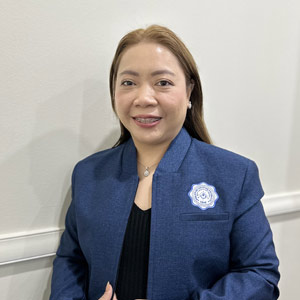
Vida Tagle Dones
My experience in early childhood education has taught me that meaningful learning begins with understanding the learner. Young children learn best when lessons are engaging, interactive, supportive and connected to real-life experiences. I apply the same principles to online higher education.
As Director of Online Education and Professional Advancement (OEPA) and Dean of the College of Education at Philippine Christian University, I recognize that adult learners also have diverse needs, experiences and learning styles. Many of our students are working professionals, parents or individuals living far from the university. Therefore, online education must be flexible, inclusive, learner-centered and responsive to their circumstances. Technology should not make learning impersonal; instead, it should strengthen communication, collaboration and meaningful engagement.
Making Online Learning Engaging and Accessible
Online learning becomes more engaging when students are active participants rather than passive recipients of information. Educators can use interactive discussions, collaborative projects, case studies, reflection activities, multimedia presentations and real-world tasks. Synchronous sessions may be used for meaningful interaction, while asynchronous activities can provide flexibility for learners who have different schedules and responsibilities.
Accessibility must also be considered from the beginning. Course materials should be easy to navigate, mobile-friendly and available in different formats, such as text, audio, video and visual presentations. Clear instructions, reasonable deadlines, recorded sessions and consistent technical and academic support can help students participate successfully. Applying Universal Design for Learning principles also allows educators to provide multiple ways for learners to access content, demonstrate understanding and remain engaged.
Using Technology with Purpose
Educational technology can improve outcomes when it is used purposefully. Learning management systems allow faculty members to organize lessons, monitor participation, provide timely feedback and assess student progress. Digital tools can support collaboration, simulations, formative assessments, research and personalized learning experiences.
However, technology alone does not guarantee quality education. Its effectiveness depends on sound teaching practices, appropriate training, reliable support systems and alignment with learning outcomes. As educational leaders, we must help faculty members develop both technical competence and confidence in designing technology-enabled learning experiences.
Designing Curriculum for the Online Environment
Curriculum design serves as the foundation of an effective online program. It ensures that program outcomes, course outcomes, learning activities, assessments and technologies are properly aligned. Online courses should not simply reproduce traditional classroom instruction on a digital platform. They must be intentionally designed for the online environment.
“Technology may provide the platform, but compassionate and purposeful teaching creates the learning experience.”
A well-designed curriculum considers learner needs, workload, interaction, accessibility, assessment and available resources. It also provides a balance between flexibility and structure. Regular evaluation and continuous improvement are essential to ensure that programs remain relevant, responsive and consistent with institutional and national quality standards.
Preparing Educators for Technology-Enabled Learning
My advice is to begin with the learning objectives, not with the technology. Select tools only when they support what students need to know, understand or demonstrate. Start with manageable strategies, explore one tool at a time and gradually build confidence.
Educators should also remain open to learning, collaboration and feedback. Transitioning to online education is not about becoming a technology expert overnight. It is about becoming more adaptable, creative and responsive to learners. Most importantly, educators must preserve the human dimension of teaching. Students still need encouragement, guidance, presence and a sense of belonging. Technology may provide the platform, but compassionate and purposeful teaching creates the learning experience.
The articles from these contributors are based on their personal expertise and viewpoints, and do not necessarily reflect the opinions of their employers or affiliated organizations.
